
Teaching Children About Water Is Teaching Them About Life
By Joshua Oduor
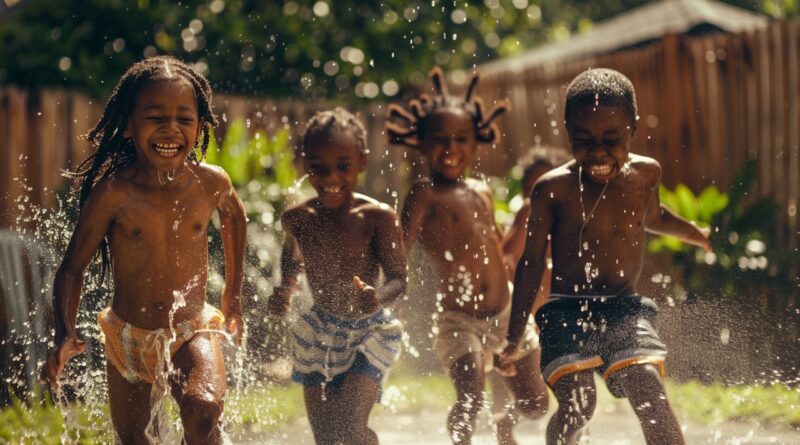
It’s easy to forget how extraordinary water is until you see a child discover it. The way they cup their hands under a tap, watching the stream swirl through their fingers, is pure wonder. Yet in many schools across Kenya, that moment is still a rare privilege.
Clean water in classrooms is more than comfort, it’s a foundation for learning. In too many places, lessons begin with a walk to the river or a queue at the borehole. But when schools invest in teaching children about water, what it means, how to use it wisely, and why it must be protected, everything begins to shift. According to a study by the Centers for Disease Control and Prevention (CDC) and Safe Water
and AIDS Project (SWAP) in Nyanza, pupils who participated in a Safe Water and Hygiene Programme improved their understanding of correct water treatment from 21% to 65%, and household adoption of safe water practices rose from 6% to 14%. Within one school term, absenteeism fell by about 35%. Those aren’t just numbers but hours of learning gained,
confidence rebuilt, and futures redirected.
Further research published in the American Journal of Tropical Medicine and Hygiene found that schools in western Kenya which combined hygiene education with access to safe water saw a 58% reduction in absenteeism among girls. The connection is immediate and undeniable: when schools offer clean water and decent sanitation, girls stay in class. Education continues, dignity preserved.
Infrastructure strengthens that progress. According to the Rotary District 9212 Clean Water Project (2023), more than 21 schools in Kenya’s western counties received new water harvesting systems and tanks, providing over 438,000 liters of safe water to roughly 6,700 pupils. Teachers later reported fewer cases of waterborne illness and higher attendance. The simple act of turning on a tap had become a daily reminder of progress. These examples all point to a deeper truth; that real change in water management begins with awareness. When children learn that washing hands can prevent disease, or that protecting rivers preserves livelihoods, those ideas ripple through entire communities. Knowledge flows outward, reshaping behavior and strengthening resilience.
Still, no single classroom or organization can solve this alone. Responsibility runs through all of us, from families who model care, to teachers who integrate water lessons, to policymakers who ensure every school budget includes functioning taps and maintenance plans. Collective stewardship is what turns access into sustainability. Children have a way of asking the questions adults often avoid. “Why doesn’t every school have clean water?” “Why do some rivers smell bad?” Those questions are the moral pulse of this issue, a reminder that justice and sanitation are intertwined.
Teaching children about water isn’t an extracurricular activity. It’s an investment in empathy, health, and collective survival. When we raise a generation that treats water not as an entitlement but a shared responsibility, we build a future that flows with fairness. Because water doesn’t just sustain life. It teaches it, one drop, one lesson, one child at a time.